How to Use Corten Steel Planters to Elevate Your Outdoor Space

Outdoor spaces can be transformed with thoughtful design choices, and the right planters play a big role in creating style and functionality. Corten steel planters have gained popularity for their rustic, weathered appearance and durability, making them an ideal choice for gardens, patios, and terraces. Many landscapers and homeowners prefer plantenbak cortenstaal because it complements a variety of plants while adding a modern yet natural aesthetic. By selecting the right size, placement, and plant combinations, you can turn your outdoor area into a visually striking and inviting environment. This article explores how to use corten steel planters to elevate your outdoor space effectively.

Placement and Design Ideas
Placement and Design Ideas

The placement of corten steel planters plays a critical role in maximizing their visual impact. Large, rectangular planters can define boundaries along pathways or patio edges, creating a structured, organized feel. Smaller, square or round designs work well on terraces, balconies, or near entryways to frame seating areas or architectural features. Combining different sizes and heights adds depth and dimension, making the space appear thoughtfully curated. Additionally, pairing the warm rust tones of the steel with lush greenery, colorful flowers, or ornamental grasses enhances contrast, drawing attention to both the planters and the plants they hold, resulting in a more inviting outdoor environment.

The Best Plants for Corten Steel Planters

Selecting the right plants is essential to complement the distinctive look of corten steel. Bold foliage plants, succulents, or ornamental grasses create strong visual interest, while flowering perennials add pops of color against the earthy tones of the rusted steel. Tall plants can provide vertical accents, while trailing plants soften edges and add movement. Seasonal rotation of plants keeps the planter visually appealing year-round, and a mix of textures keeps the arrangement dynamic. Proper drainage is also important; lining planters with soil and gravel ensures healthy root growth, preserving both the plants and the planter’s aesthetic over time.

Maintenance and Longevity

Maintenance and Longevity

Corten steel planters are low-maintenance compared to other materials, but with some care, they can last for years. The rusted patina protects the steel from further corrosion, but it is important to monitor for structural integrity, especially in larger planters. Lining the interior with a protective coating or plastic can prevent soil and water from directly contacting the steel, extending its lifespan. Cleaning involves simple wiping to remove dirt or debris, and repositioning planters occasionally helps prevent uneven weathering. With minimal upkeep, corten steel planters retain their charm and continue to elevate outdoor spaces while supporting healthy plant growth.

Corten steel planters are a versatile and stylish addition to any outdoor area, combining durability with a unique, evolving aesthetic. Strategic placement, thoughtful plant selection, and minimal maintenance allow homeowners to create visually striking spaces with depth, texture, and color. Their warm rust tones complement a variety of plants and landscaping styles, enhancing patios, gardens, and terraces alike. By incorporating corten steel planters, outdoor spaces can be transformed from ordinary to extraordinary, providing both functional and decorative benefits that elevate the overall ambiance and enjoyment of the area.…

How to Decorate a Minimalist Home Without It Feeling Empty

Minimalism can be a breath of fresh air in home decor. It emphasizes simplicity, functionality, and beauty without clutter. But how do you ensure your minimalist space doesn’t end up looking cold or empty? Striking that perfect balance is key. A well-decorated minimalist home invites comfort while embracing the essentials. Imagine walking into a room where every item feels intentional yet harmonious. You don’t need to sacrifice warmth for simplicity. Instead, you can create an environment that reflects both elegance and coziness. Let’s explore practical ways to decorate your minimalist haven so it radiates personality without overwhelming chaos. Dive in as we uncover tips and tricks for transforming your space into a serene retreat.

The Importance of Balance and Functionality

homeAchieving balance in a minimalist home is crucial. It’s about creating harmony between empty space and functional elements. Each piece must serve a purpose while contributing to the overall aesthetic. Functionality doesn’t mean sacrificing style. Choose items that enhance both form and function. A sleek coffee table can double as storage, minimizing clutter while providing utility. Consider proportions too. Large furniture may overwhelm a smaller room, disrupting the delicate equilibrium you aim for. Instead, opt for streamlined pieces that complement your layout.
Incorporating Natural Elements into a Minimalist Home

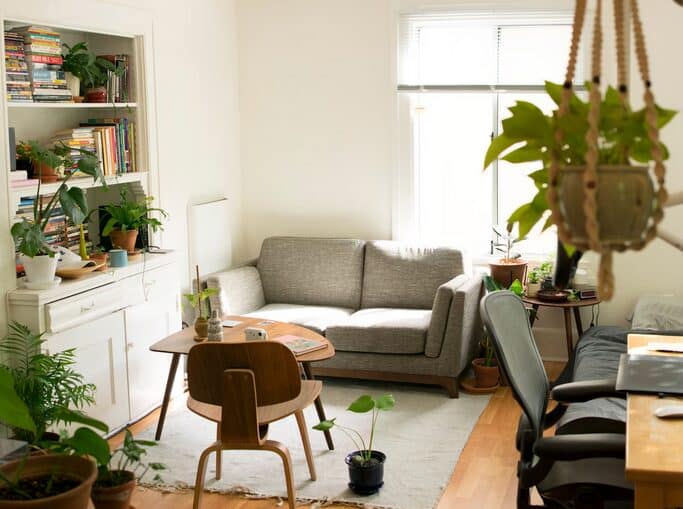
Bringing the outdoors inside can breathe life into a minimalist space. Natural elements add warmth and texture without overwhelming simplicity. Consider houseplants as perfect companions for clean lines. They act as focal points while improving air quality. A single tall plant in a corner or a cluster of small pots on a windowsill softens starkness beautifully. Wooden accents also work wonders. Think about a reclaimed wood coffee table or shelves made from natural timber. These pieces introduce organic beauty, contrasting with sleek surfaces. Textiles play an essential role too. Choose linen cushions or cotton throws in neutral tones to create layers without cluttering the visual field.

Utilizing Color and Texture in a Minimalist Space

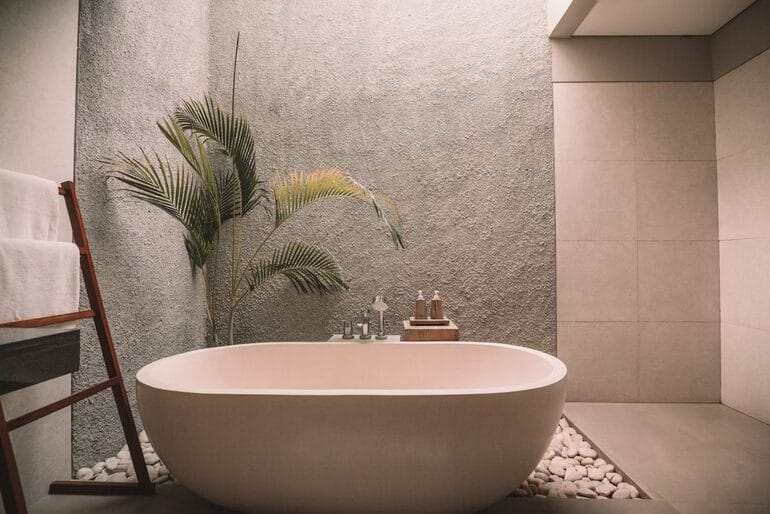
Color and texture are key players in minimalist decor. They bring depth without overwhelming the senses. Soft, muted tones create a serene atmosphere. Think of gentle whites, soft grays, or pale pastels. These shades can make spaces feel airy and open while still being visually engaging. Introduce texture to add warmth and interest. A plush wool throw on a sleek sofa or a woven basket can soften hard lines. Natural materials like wood and stone provide earthy elements that invite comfort. Playing with contrasts is also effective. Pair smooth surfaces with rough textures for an eye-catching combination. This balance keeps the space dynamic yet simple.

Choosing the Right Furniture and Decor Pieces

When selecting furniture for a minimalist home, focus on quality over quantity. Each piece should serve a purpose and contribute to the overall aesthetic. Opt for furniture with clean lines and simple forms. Think about multifunctional items that can adapt to your needs, like an ottoman that doubles as storage. This maintains functionality without sacrificing style. Keep colors neutral and materials natural. Wood, metal, and glass work beautifully in minimalism while adding depth through texture.

Tips for Maintaining a Clutter-Free Environment

Tips for Maintaining a Clutter-Free EnvironmentCreating a clutter-free environment starts with routine. Set aside a few minutes each day to tidy up spaces that tend to collect items. Establish designated spots for everything. When you know where things belong, it’s easier to put them back after use. Adopt the one-in-one-out rule. For every new item that enters your home, consider letting go of an old one. This practice helps maintain balance and prevents accumulation. Regularly evaluate your belongings. If something no longer serves you or brings joy, don’t hesitate to donate or recycle it.
In Conclusion

Achieving the right mix of simplicity and comfort in a home is an art. It requires careful consideration of every element, from furniture choices to color schemes. By embracing natural elements and playing with textures, you can create visual interest without overwhelming your space. Balance is crucial. Each piece should serve a purpose while adding character to your home. Opt for functional decor that reflects your personality but doesn’t clutter the environment.…

Finding Peace in Simplicity: The Zen Home Approach to Minimalist Living

In a world filled with constant distractions and overwhelming clutter, finding peace can feel like an impossible task. But what if we told you that the key to tranquility lies in simplicity? Welcome to the Zen Home approach to minimalist living, where less truly is more. Join us as we explore how decluttering your space can declutter your mind and pave the way for a more peaceful, harmonious life. Say goodbye to chaos and hello to serenity – it all starts right at home.

Declutter and Simplify

The first step in creating a Zen-inspired home is to declutter and simplify your living space. Pare down your belongings to the essentials and let go of items that no longer serve a purpose or bring you joy.

Adopt a minimalist mindset by embracing the mantra “less is more” and focusing on quality over quantity. Invest in versatile, multi-functional furniture pieces that maximize space and functionality, and prioritize open, uncluttered surfaces to create a sense of calm and spaciousness.

Choose Neutral Color Palette

Choose Neutral Color Palette

Choose a neutral color palette for your home decor to create a sense of tranquility and harmony. Opt for soft, soothing hues such as white, beige, taupe, or pale gray that evoke a sense of calm and serenity. Use natural materials such as wood, stone, and bamboo to add warmth and texture to your space, and incorporate subtle pops of color through accent pieces such as throw pillows, rugs, or artwork. By keeping your color scheme simple and cohesive, you can create a peaceful and cohesive environment that promotes relaxation and balance.

Design Elements Mindfully

Incorporate mindful design elements into your home to create a Zen-inspired atmosphere that encourages mindfulness and presence. Choose furniture with clean lines and simple silhouettes that promote a sense of openness and flow.

Incorporate elements of nature such as indoor plants, rocks, or water features to bring the outdoors in and create a connection to the natural world. Create designated spaces for relaxation and meditation, such as a cozy reading nook or a tranquil yoga corner, where you can unwind and recharge away from the distractions of daily life.

Organize Functionally

Organize your home in a way that promotes ease and efficiency, making it easier to maintain a clutter-free and peaceful environment. Invest in storage solutions such as baskets, bins, and shelves to keep belongings neatly organized and out of sight.

Create designated zones for different activities such as cooking, dining, and relaxation, and ensure that each space is optimized for its intended purpose. Prioritize functionality and accessibility when arranging furniture and decor, and streamline your daily routines to minimize stress and maximize productivity.

Embrace Negative Space

Embrace Negative Space

Embrace negative space in your home design to create a sense of openness and serenity. Allow areas of your home to remain unadorned and free of clutter, creating breathing room for the eyes and mind. Avoid overcrowding your space with unnecessary furniture or accessories, and instead, focus on creating a sense of balance and harmony through thoughtful placement and intentional design. By embracing negative space, you can create a Zen-inspired environment that promotes relaxation and mindfulness.

Cultivate a Sense of Ritual

Incorporate rituals into your daily routine to create moments of peace and mindfulness in your home. Start your day with a calming meditation or yoga practice, or enjoy a quiet cup of tea or coffee in the morning sunlight. Create rituals around mealtimes, such as setting a beautifully curated table or enjoying a leisurely family dinner without distractions.

End your day with a soothing bedtime routine that helps you unwind and prepare for a restful night’s sleep. By cultivating a sense of ritual in your home, you can create a sanctuary that nourishes the soul and promotes a deeper connection to yourself and your surroundings.…

Natural Ways to Freshen Your Home’s Air and Improve Indoor Quality

Step into a world where the air is crisp, clean, and revitalizing. Your home should be your sanctuary, a place where you can breathe deeply and feel refreshed and relaxed. In this blog post, we will explore natural ways to freshen your home’s air and improve indoor quality. Say goodbye to stale odors and hello to a breath of fresh air with these simple yet effective tips.

Open Windows

Open WindowsThere’s something magical about opening your windows and letting the outside world flow in. Fresh air can work wonders for your home, instantly lifting spirits and revitalizing the atmosphere. Whether it’s a cool breeze on a summer day or a crisp gust in the fall, opening your windows is like hitting the reset button for your living space. Not only does fresh air help eliminate any lingering odors, but it also helps circulate stagnant indoor air.

By allowing cross-ventilation, you’re promoting better airflow throughout your home, which can contribute to improved indoor air quality. It’s amazing how such a simple act can make such a significant difference in how you feel within your own four walls. Additionally, aside from keeping your windows open, it is important that you wash your comforters and sheets regularly as they can also trap odors. If you are busy from work, there are laundry services that can help you with it.

Houseplants

Adding houseplants to your indoor space is not only a trendy décor choice but also a natural way to freshen up the air you breathe. Plants are like nature’s own air purifiers, absorbing carbon dioxide and releasing oxygen during photosynthesis. Different plants have varying abilities to filter out toxins and improve indoor air quality. Some popular choices include spider plants, peace lilies, snake plants, and pothos. These green beauties don’t just look pretty; they work hard behind the scenes, too. Apart from their air-cleaning benefits, houseplants can also boost your mood and reduce stress levels. The act of caring for them can provide a sense of purpose and relaxation in our fast-paced lives.

Essential Oils

Essential oils are nature’s powerful aromatic compounds extracted from plants. These oils not only have pleasant scents but also offer various health benefits when used correctly. Lavender oil, known for its calming properties, can help reduce stress and promote relaxation in your home environment. On the other hand, tea tree oil is a natural antibacterial and antifungal agent that can purify the air. Citrus essential oils like lemon or orange can uplift your mood and create a fresh atmosphere in any room. Peppermint oil is great for boosting focus and mental clarity during work or study sessions.

Natural Cleaning Products

Natural Cleaning ProductsWhen it comes to keeping your home clean and fresh, natural cleaning products can be a game-changer. Not only are they better for the environment, but they also help improve indoor air quality by reducing the number of harmful chemicals in your living space. Many store-bought cleaning products contain harsh ingredients that can linger in the air long after you’ve finished cleaning. Opting for natural alternatives like vinegar, baking soda, and lemon can be just as effective at removing dirt and grime without leaving behind any unwanted residue.

You can easily create your all-purpose cleaner by mixing equal parts water and white vinegar in a spray bottle. Add a few drops of essential oils like lavender or tea tree for a pleasant scent and extra antibacterial properties. Incorporating these natural ways to freshen your home’s air and improve indoor quality not only enhances the ambiance but also promotes a healthier environment for you and your family. By opening windows, adding houseplants, using essential oils, and opting for natural cleaning products, you can create a space that is not only clean but also invigorating. Make these simple changes to enjoy a breath of fresh air in your home every day.…

Top Landscaping Features That Can Add More Value to Your Home

When it comes time to sell your home, one of the most important things you can do is make sure it looks its best. A well-manicured lawn and garden can add a lot of value to your property and be the deciding factor for a potential buyer. It’s especially true for potential buyers who are still looking for the best home loans. But how do you ensure your home’s landscape can be a good selling point? How do you improve your home value with your landscape? Today, we’ll highlight some top landscaping features that can add more value to your home. Keep reading for tips on how to improve your landscape.

Well-Maintained and Healthy Lawn

No matter what home you have, a well-maintained and healthy lawn is always a good selling point. A green and lush lawn is the first thing potential buyers see when pulling up to your home, so ensuring it looks its best is always a good idea. Investing in a good lawn mower is one way to keep your lawn looking its best. A higher-end model with features like self-propulsion can make it easier to keep your lawn looking neat and tidy. You should also make sure to fertilize and water your lawn regularly. It will give it the nutrients it needs to stay green and healthy.

Matching Landscaping Design and Home Architecture

Did you know that the landscaping design of your home can actually have an impact on its value? Potential buyers will notice how well the landscaping compliments the architecture of your home. For example, if you have a more modern home, you’ll want to avoid having too many flowers and other plants that might look out of place. Instead, focus on having clean lines and geometric shapes in your landscaping. This will give your home a cohesive look that potential buyers will be sure to love.

Beautiful, Polished Pathways

But if you’re looking for something that will really add value to your home, you can’t go wrong with beautiful, polished pathways. A well-designed pathway can make a big difference in the overall look of your landscaping. Plus, it’s a practical feature that potential buyers will surely appreciate. If you’re unsure where to start, plenty of online resources and books can help you design the perfect pathway for your home.

Colorful Garden Beds

gardenNothing can beat a colorful garden bed to add value to your home. A beautiful garden is one of the most sought-after features in a home, so it’s essential to make sure yours is up to par. When designing your garden, choose a color scheme that will complement the rest of your landscaping. To create the perfect garden, you should also consider the types of plants and flowers each season.

Investing in a good landscape can really pay off when it comes time to sell your home. With a little effort, you can ensure your home is one of the most valuable on the market. With these landscaping features, you can significantly boost your home value. So when you’re listing your home in the market, you can sell it fast.…