
Mechanical rooms may be placed in very different positions from one house plan to another because the building’s layout, size, climate, and installed systems influence their location. These spaces typically accommodate equipment for heating, cooling, ventilation, plumbing, or electrical functions, making their relationship with other areas of the home important to overall design. Air Duct Cleaning Equipment is one example of the specialized equipment that may need practical access to concealed mechanical systems during maintenance. Some plans prioritize central positioning for efficient distribution, while others place equipment along exterior walls or in less prominent areas to preserve living space. Examining these differences reveals how mechanical room placement reflects both practical building requirements and architectural priorities.
How House Layout Influences Mechanical Room Placement
A house’s overall arrangement often determines where mechanical equipment can be located efficiently. A compact home may place mechanical systems near a central area to reduce the distance between equipment and the rooms it serves. Larger houses may distribute equipment across different sections of the building. The placement of bedrooms, kitchens, bathrooms, garages, and utility areas can influence where mechanical spaces are incorporated without interfering with primary living areas.
How Climate Systems Shape Mechanical Spaces
Heating and cooling requirements can also influence where mechanical rooms are positioned. Depending on the system type, equipment may need connections to ventilation systems, outdoor components, electrical supplies, or fuel sources. In homes that rely on ducted climate control, the relationship between the mechanical room and the duct network can become particularly important. A centrally located equipment space may simplify distribution, while other designs may place equipment closer to exterior walls or dedicated service areas.

Why Plumbing Connections Affect Location
Plumbing is a major factor influencing mechanical room placement. Water heaters, pumps, pipes, and related equipment are often positioned where connections to bathrooms, kitchens, and other water-using spaces can be managed efficiently. Grouping these systems near existing plumbing routes can reduce infrastructure complexity. This is why mechanical rooms are sometimes located close to kitchens, bathrooms, laundry areas, or other spaces where water services are concentrated.
Why Noise and Vibration Matter
Mechanical equipment can produce sounds and vibrations during normal operation. For this reason, mechanical rooms are not always placed directly beside bedrooms, living rooms, or other spaces where quiet conditions are important. Garages, basements, utility zones, and exterior sections of a house can separate equipment from frequently used rooms. The degree of separation depends on the equipment involved and the building’s overall structure, which helps explain why mechanical room locations vary from one floor plan to another.
How Space Availability Changes the Design
Available floor area strongly influences where mechanical systems can be accommodated. Large houses may have enough space for a dedicated mechanical room with generous clearance around equipment. Smaller homes may integrate mechanical systems into compact utility spaces, closets, basements, or other multifunctional areas. The challenge is to provide enough room for the equipment while preserving useful living space. Different house plans solve this problem differently, depending on their size, shape, and priorities.
Mechanical rooms are positioned differently in different house plans because no single location works equally well for every building. Plumbing routes, climate systems, equipment requirements, noise, ventilation, available space, and the arrangement of living areas all influence placement. A mechanical room may therefore appear in a basement, garage, central utility zone, exterior section, or another carefully selected location. Its position reflects the relationship between a home’s visible architecture and the technical systems that support everyday comfort and operation.…





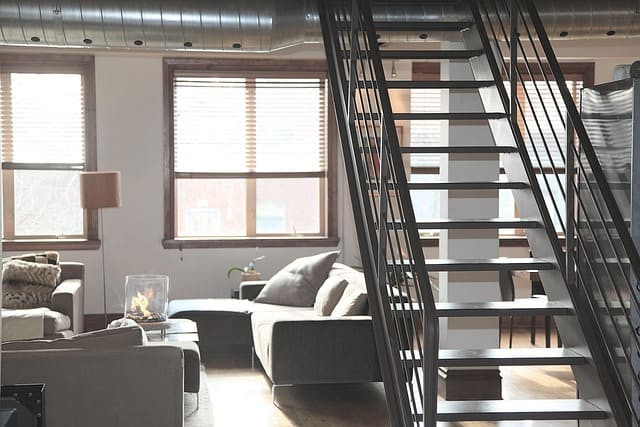 Achieving balance in a minimalist home is crucial. It’s about creating harmony between empty space and functional elements. Each piece must serve a purpose while contributing to the overall aesthetic. Functionality doesn’t mean sacrificing style. Choose items that enhance both form and function. A sleek coffee table can double as storage, minimizing clutter while providing utility. Consider proportions too. Large furniture may overwhelm a smaller room, disrupting the delicate equilibrium you aim for. Instead, opt for streamlined pieces that complement your layout.
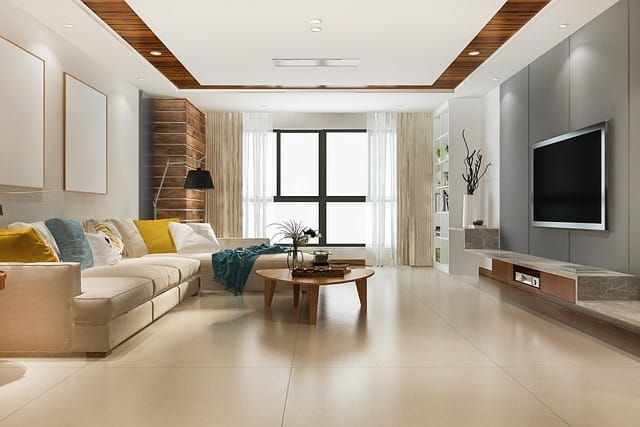 Creating a clutter-free environment starts with routine. Set aside a few minutes each day to tidy up spaces that tend to collect items. Establish designated spots for everything. When you know where things belong, it’s easier to put them back after use. Adopt the one-in-one-out rule. For every new item that enters your home, consider letting go of an old one. This practice helps maintain balance and prevents accumulation. Regularly evaluate your belongings. If something no longer serves you or brings joy, don’t hesitate to donate or recycle it.


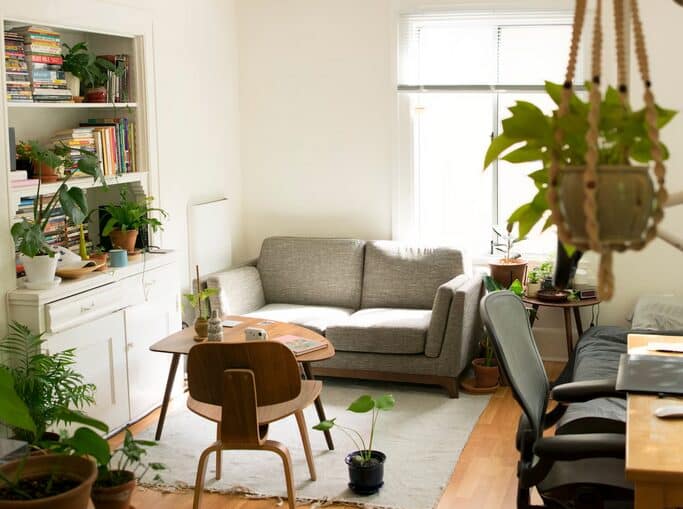

 There’s something magical about opening your windows and letting the outside world flow in. Fresh air can work wonders for your home, instantly lifting spirits and revitalizing the atmosphere. Whether it’s a cool breeze on a summer day or a crisp gust in the fall, opening your windows is like hitting the reset button for your living space. Not only does fresh air help eliminate any lingering odors, but it also helps circulate stagnant indoor air.
 When it comes to keeping your

 First impressions matter, and your home’s front entrance sets the tone for what lies inside. A front door canopy can instantly elevate your home’s curb appeal by adding an element of charm and elegance. Whether you choose a sleek modern design or a more traditional look, Vordächer create a welcoming atmosphere that makes your home stand out from the crowd. It’s like giving your home a stylish hat that catches the eye of everyone passing by.


 A rental property manager can help you increase the overall property’s value by maintaining and organizing it in a professional manner. They will manage all aspects of your properties, from tenant selection to marketing, maintenance, and so on. This ensures that your property is always taken care of and protected from any damage or neglect.
 A rental property manager can help you maximize your income by finding the right tenants for your properties. They will also ensure that rents are collected on time and at the proper amount. In addition, they can advertise vacancies quickly and effectively to find quality tenants.
 By hiring a rental property manager, you can save money by avoiding costly mistakes that could be made if you managed your properties yourself. They will ensure that all legal and financial obligations are met and handled correctly. This could include tenant paperwork, contracts, insurance policies, and more.

 Nothing can beat a colorful garden bed to add value to your home. A beautiful garden is one of the most sought-after features in a home, so it’s essential to make sure yours is up to par. When designing your garden, choose a color scheme that will complement the rest of your landscaping. To create the perfect garden, you should also consider the types of plants and flowers each season.

 The first thing you should consider when looking for property is the location. You want to find an area you feel comfortable with that meets your needs. You’ll want to be in a good school district if you have children. If you commute to work, you’ll want to find a property close to public transportation. It would help if you were close to amenities like grocery stores and restaurants.
 Keep these things in mind when looking for property online, and you will find the perfect one for you. With so many things to consider, it’s easy to get overwhelmed. But if you take your time and research, you’ll find the perfect property in no time.…


 As mentioned earlier in the text, many factors will help you make the right choice. To the untrained eye, all beds are the same. Some people may not know that there are different types of beds like the montessori floor bed. One crucial factor you should consider is size. If you have been window shopping for beds lately, you will agree that they are made in different sizes.
 Apart from the size, you should consider the material used in making a bed. The material used in making a bed plays a significant role in determining a bed’s durability and comfort. You should select a material that will meet all your needs and requirements. Certain materials make it easier for a bed to be made in a particular design.

 Most of the time, when one notices a plumbing problem in their home, they tend to call random plumbers, and this may have its disadvantages. Some of the tools regular plumbers tend to use are outdated and may limit them when offering the plumbing service. On the other hand, companies that provide plumbing services tend to provide their employees with the latest equipment. This means that they can finish the work quickly and even do better than others offering the same services.
 Most companies that offer plumbing services employ professionals in the field. Those who are professionals in plumbing tend to have extensive knowledge of what they are doing. Apart from being taught most of the things they know, they tend to have a lot of experience. With the vast experience, each plumber has, they can fix almost every plumbing problem in your home and offer excellent services.

 Most people prefer using mechanical machines because they are simple to operate and they are not too heavy. Also, they need less maintenance than electronic ones. Therefore, if they are kept oiled and clean, they can serve you for a long time.